
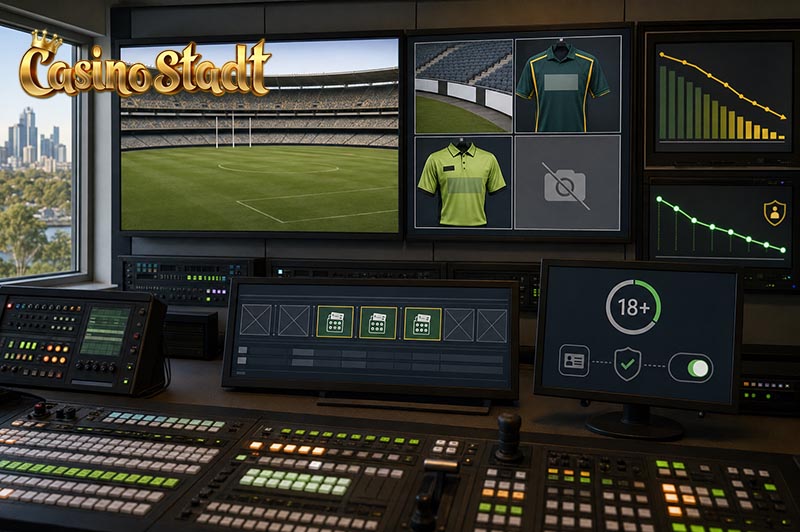
Australia’s proposed betting ad restrictions have reopened the argument over whether the government is protecting viewers or merely trimming the edges of a much larger problem.
Senate Scrutiny Puts The Bill Under Pressure
Australia’s latest attempt to curb gambling advertising is facing criticism from reform campaigners, broadcasters and politicians as a Senate committee reviews the government’s proposed changes.
The Interactive Gambling Amendment Bill would introduce tighter rules for betting promotions across television, radio, sport and digital platforms. The measures are expected to take effect from January 2027 if they pass Parliament.
Under the proposal, free-to-air broadcasters would be limited to three gambling advertisements per hour between 6am and 8:30pm. Betting ads would also be banned during live sport in that period, while gambling logos would be removed from sporting venues, player uniforms and officials’ clothing.
Celebrities, athletes and influencers would no longer be allowed to front sponsored wagering campaigns. Radio advertising would face extra restrictions around school drop-off and pick-up times.
For the average viewer, the bill would reduce the constant presence of bookmakers without removing them entirely. Betting brands would still have access to television audiences, online customers and adult users logged into digital platforms.
Reform Groups Say The Government Has Fallen Short
Public health advocates and gambling harm campaigners argue the bill is weaker than the recommendations made by the 2023 parliamentary inquiry led by the late Labor MP Peta Murphy.
That inquiry called for a phased three-year ban on all online gambling advertising. It also recommended tighter controls on inducements, the creation of a national regulator and a broader public education campaign.
Critics say the government has ignored the central message of the Murphy report by allowing betting ads to remain on television and digital services.
The rule permitting three advertisements per hour has drawn particular anger. Campaigners argue that children will continue to see gambling marketed as a routine part of sport, especially during evening broadcasts watched by families.
The concern is not only the number of ads. Reform groups say the repeated link between betting, teams and major sporting events helps normalise gambling long before viewers are old enough to place a wager.
For parents, the proposed rules may feel like a partial clean-up rather than a proper break with the current system. The ads will be less frequent, but the message will remain familiar.
Broadcasters Warn Of Costs And Lost Income
Television networks are pushing back for different reasons.
SBS and commercial broadcasters have warned that the restrictions could reduce advertising revenue while creating new compliance costs. Digital services may need stronger age-verification systems to ensure betting promotions are shown only to eligible adult users.
SBS has argued that its existing self-declared age system should be accepted under the legislation. The broadcaster says more advanced checks could be expensive, difficult to introduce and unpopular with viewers concerned about handing over personal data.
It has also warned that lower advertising income could affect funding for news, current affairs and Australian programming.
Commercial broadcasters have raised similar concerns, arguing that local networks could be placed at a disadvantage against larger international platforms with established account systems and deeper pockets.
This leaves the government caught between two competing arguments. Campaigners believe broadcasters are using revenue concerns to defend a harmful advertising market, while media companies say policymakers are threatening the free content Australians expect.
Albanese Defends A Middle-Ground Approach
Prime Minister Anthony Albanese has defended the bill as a balanced response that reduces exposure without banning adults from gambling.
The government’s position is that a full advertising ban would go too far, particularly when adults are legally allowed to bet. It also points to poker machines as a larger source of gambling losses, although those are mostly regulated by state governments.
That defence has not settled the debate. Reform supporters want the Murphy recommendations adopted in full, while broadcasters want more time, broader exemptions and fewer technical demands.
The Senate committee’s findings will shape whether the bill proceeds unchanged or returns to Parliament with tougher amendments.
For Australian players, the likely outcome is not the end of gambling advertising. It is a smaller, more controlled version of the same market, with bookmakers still competing for attention and lawmakers still arguing over how much is too much.