
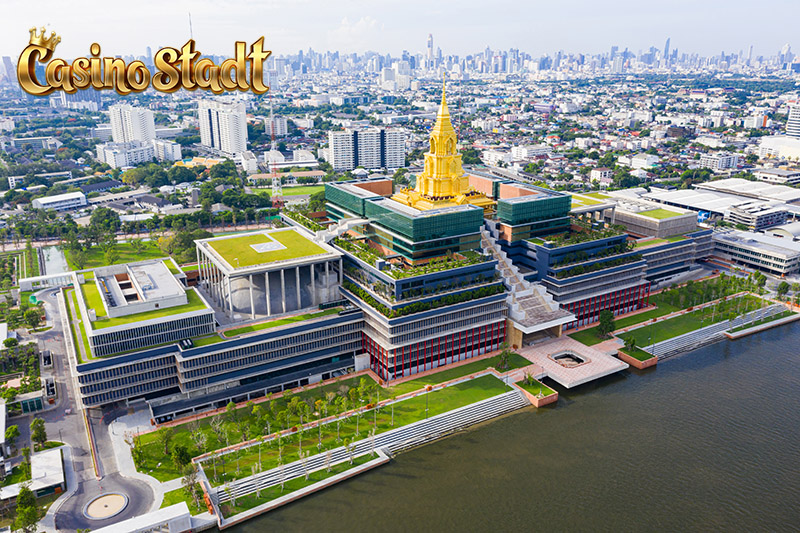
Thailand’s latest political reset has dealt another blow to hopes for legal casinos, leaving the country’s long-discussed resort gaming plan stuck in limbo.
Anutin’s return shuts the door again
Thailand’s casino sector is back on pause after Prime Minister Anutin Charnvirakul returned to power with no appetite for legal gambling expansion.
Anutin, leader of the Bhumjaithai Party, won 293 votes in the 498-member House of Representatives on March 19, putting him in line to continue leading the government once royal approval is completed. For casino operators watching Thailand as a possible new Asian gaming market, that result lands like bad news dressed as stability.
Thailand casino legalization loses momentum
The clearest casualty of Anutin’s win is the proposed Integrated Entertainment Business Act, the bill that would have opened the way for legal casino resorts in Thailand.
The plan had gathered pace under former Prime Minister Paetongtarn Shinawatra, whose government pitched integrated resorts as a way to lift tourism, pull in foreign capital, and give the economy another lane for growth. That sales pitch has now run into a government that wants no part of it.
Anutin has held a firm anti-casino line since taking office in September 2025, following Shinawatra’s removal. Rather than move toward regulated gaming, his administration has leaned toward cracking down on illegal gambling and keeping casino legalization off the agenda.
From growth pitch to political baggage
What once looked like a big-ticket tourism play gradually turned into a political headache.
Shinawatra’s government tried to sell casino resorts as a modern entertainment model, but the idea never escaped public suspicion. After her exit from office, support for the bill faded even faster. Anutin’s rise effectively turned a live policy debate into a stalled one.
He later reinforced that position during a November 2025 meeting with Chinese President Xi Jinping, where he reportedly said the casino proposal would be abandoned while he remained in office. Thailand’s focus instead shifted toward strengthening tourism ties with China without attaching that push to legalized gaming.
Cultural resistance still weighs on the issue
Thailand’s casino debate has never been only about money.
The country’s Buddhist social values have long made gambling a tough sell, and many voters see casinos as a social risk rather than an economic fix. That has left every government backing legalization with the same problem: the revenue story may sound attractive, but public trust is far harder to win.
Industry forecasts had valued the potential Thai casino market at about THB263 billion, roughly US$8 billion, and major regional operators were watching closely. Even so, there was no full rush to the table.
Hard Rock CEO Jim Allen said the company had no interest in a Thai integrated resort because of political instability. Macau gaming consultant Ben Lee was even more blunt, calling the proposal dead in the water.
What this means for casino players
For the average player, Thailand remains a market of rumors, projections, and missed openings rather than legal casino floors.
Anyone hoping to see licensed land-based casinos in Thailand now has to wait for another political cycle, because the current government has made its stance plain enough. For operators, investors, and players, the takeaway is simple: Thailand may still have gaming potential, but it is going nowhere fast under Anutin.